Class 13 = Wales Class 14 = Scotland

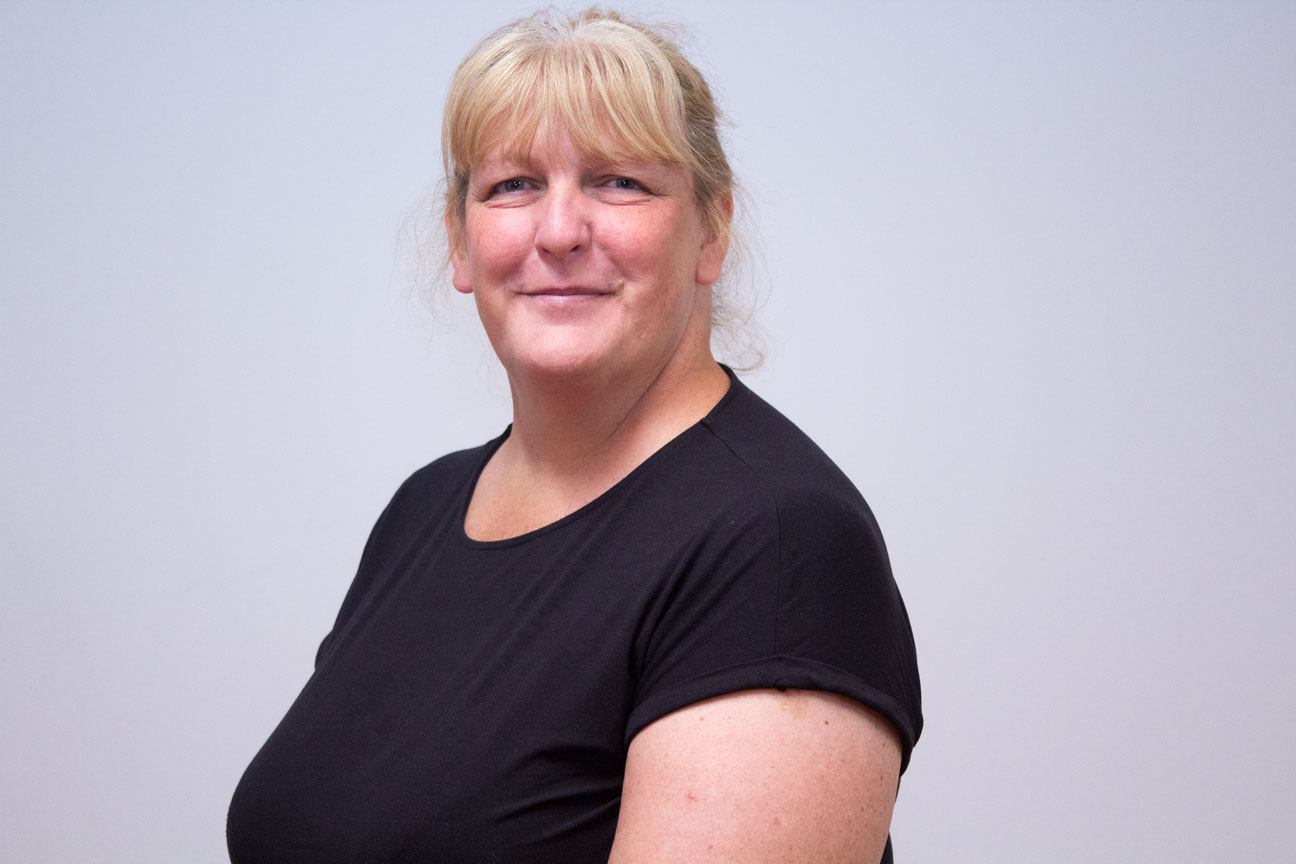
Teacher

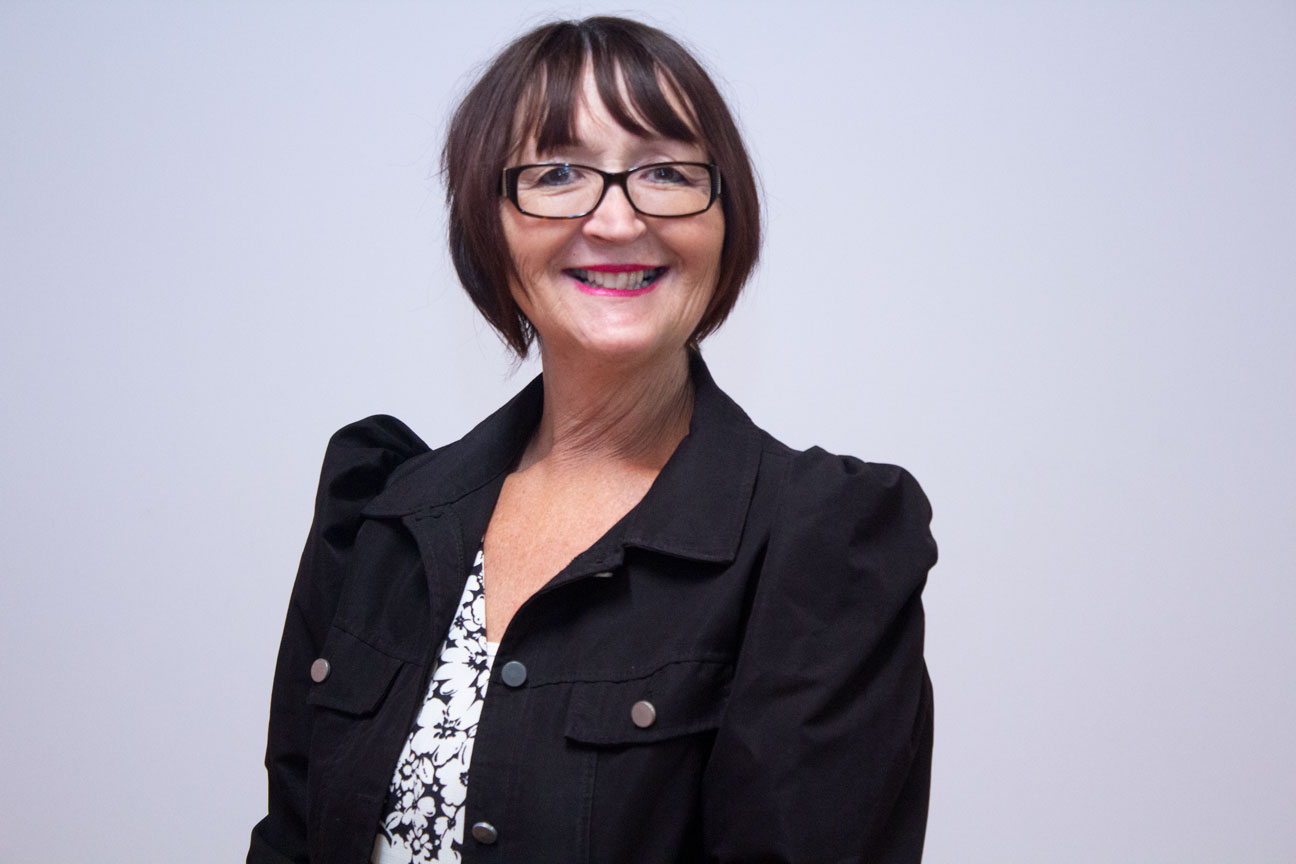
Teacher

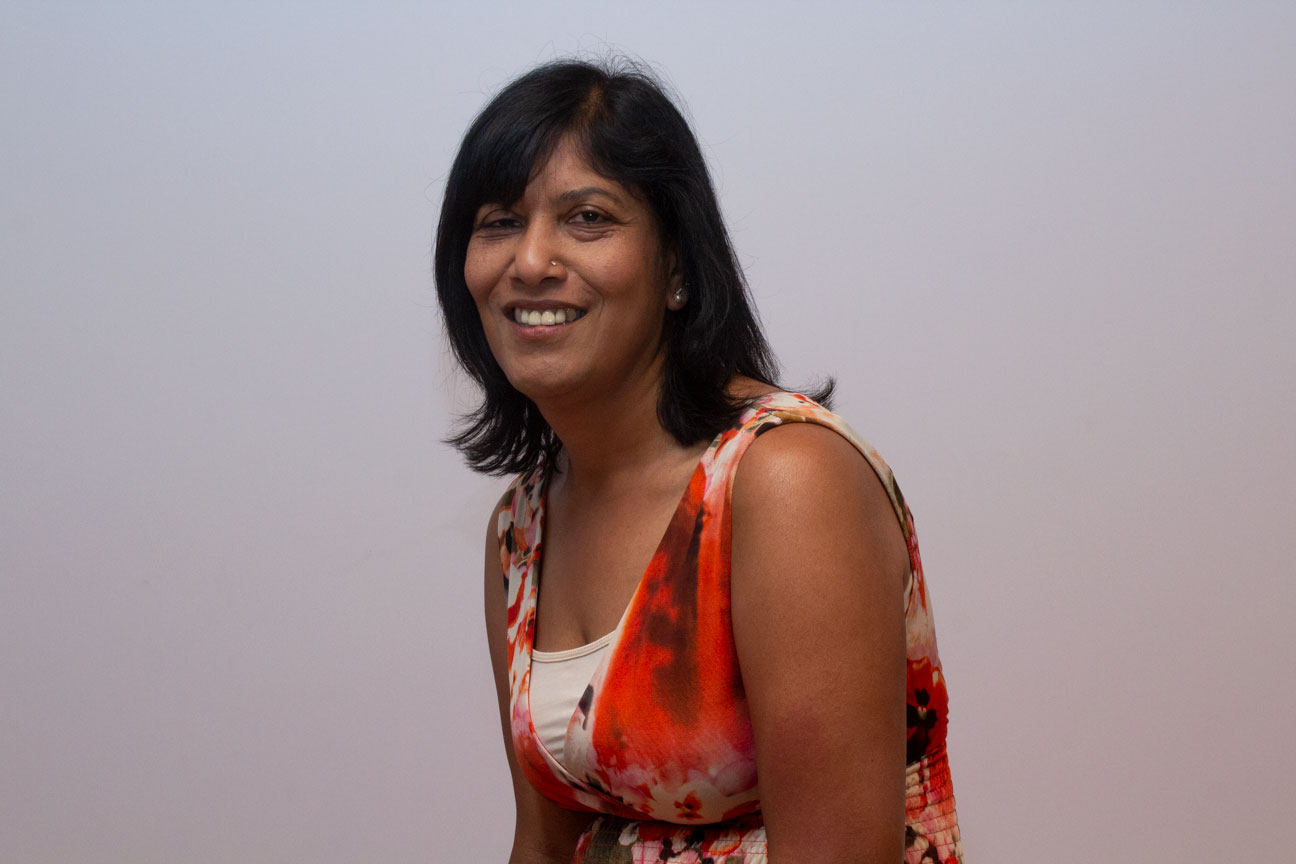
Interventions Teacher

Reading Ranger
Click here to view the
Our PE days for Term 3 are Tuesday & Friday.
Tyger by SF Said
Malamander by Thomas Taylor
History
The Tudors – Humanities History age 8-11 – BBC Bitesize
Life in Tudor times – Key Stage 2 History – BBC Teach
Horrible Histories – Series 7: 15. Terrible Tudor Special – BBC iPlayer
Horrible Histories: Terrible Tudors: Divorced, Beheaded, and Died
HORRIBLE HISTORIES – The Tudors Song – YouTube
Horrible Histories – The Terrifying Tudors | Compilation – YouTube
Science:
Earth and space – KS2 Science – BBC Bitesize
Earth, space and the solar system – BBC Teach
Solar System 101 | National Geographic – YouTube
English:
Our topic in History this term is “What was life like in
Tudor times?” We will be extracting information from primary and secondary evidence sources to develop our own interpretation of Henry VIII. In doing so, we will be exploring the reliability of different historical sources and introducing the concept of bias. We will investigate the wives of Henry VIII and in doing so evaluate his marriage requirements in the context of the Tudor period. We will investigate historical sources relating to Elizabeth I’s tours around her realm and consider the underlying reasons for these. Finally, we will learn how inventories of people from this time can inform historians of the Tudor period.
This term’s Science topic is “Earth and Space.” We will investigate different models of the Solar System and learn about the features and orbits of celestial bodies. We will examine the Moon’s orbit around the Earth and in doing so learn about its phases. The children will also learn about the cause of day and night and the seasons.
In Art, we will be investigating the space-themed art of American artist, Peter Thorpe. Before creating our own Thorpe-inspired pieces, we will learn how his pictures grew from his fascination for 1950s and 1960s sci-fi comic books, which were influenced by the space race between the United States of America and the Soviet Union. In creating our art work, we will explore the difference between figurative and abstract art and incorporate both styles into our finished piece.
In English, we begin the term investigating film narratives with a particular focus on the short film “The Piano” by Aidian Gibbons. The children will learn how to include flashbacks in their writing as well as reinforcing their understanding of combining narrative and dialogue effectively.
In Maths, we will continue to learn about multiplication and division, including identifying factors, multiples and prime numbers. We will practise calculating the perimeter and area of rectilinear shapes either by counting squares or using measurements. Finally, we will be learning how to order and compare fractions with different denominators but which are multiples of each other. We will continue to practise identifying equivalent fractions and learn how to convert mixed numbers to improper fractions and vice versa.
In Religious Education we will be investigating why Christian worship looks different across the world when the beliefs are the same. In doing so, we will investigate the impact of key historical figures on the development of the Christian church. We will also look at different denominations and practices.
PSHE: Y5 Safety and the changing body
We will be exploring the emotional and physical changes of puberty, including menstruation. Children will also learn about online safety, influence and strategies to overcome potential dangers. We will also look at how to administer first aid to someone who is bleeding.
If you have any further questions, please do not hesitate to contact the school.
In Geography, we will be considering the climate of mountain ranges and why people choose to visit the Alps. In particular, we will be focusing on Innsbruck and looking at the human and physical features that attract tourists. We will also be investigating tourism in the local area and mapping recreational land use around Bradley Stoke. We will then compare recreational opportunities in the Alps with those in Bristol and Bradley Stoke.
In Science, we will be broadening our experience of the properties of materials. We will investigate hardness, transparency and conductivity and consider how these properties influence the uses of materials. We will explore reversible changes, including dissolving and changes of state. We will then compare these to irreversible changes, including rusting, burning and mixing vinegar and bicarbonate of soda.
In English, we will be reading the novel “Floodland” by Marcus Sedgwick. Over the course of the term we will explore the author’s use of characterisation and language. We will be learning about parenthesis, relative clauses and relative pronouns and how to embed dialogue accurately and effectively in narratives.
In Maths, we will spend the bulk of the term focusing on multiplication and division. We will learn about multiples, factors, prime numbers, prime factors and squared and cubed numbers. We will practise multiplying and dividing whole numbers and those involving decimals by 10, 100 and 1000. We will multiply up to 4-digit numbers by a one or two digit number. We will also divide up to 4-digit numbers by one digit numbers.
In Design Technology, we will be making drawstring bags. In doing so, we will be learning how to sew using a variety of stitches including straight stitch, back stitch and whip stitch.
In History, we will be learning about the Vikings and the struggle for Britain. They will develop their chronological understanding and explore new types of sources, including oral histories, to learn about the Vikings and the impact they had on local British communities. Using historical enquiry techniques, we will investigate whether the Vikings were raiders, traders or settlers.
In Science, we will be identifying real world examples of mixtures and how and why separation techniques are used to separate them, including some jobs that may use them. We will also be learning about the importance of salt plains.
For the term’s Art, we will be studying the environmental art of Andy Goldsworthy. We will be using his ideas as an inspiration for our own environmental art which we will create on the school grounds.
Our first Religion and World Views’ topic is “Why do people have to stand up for what they believe in?” Thinking about religious freedom, children will use historical and modern-day examples of people, such as Guy Fawkes, who have fought for their beliefs to discuss controversial issues.
In PSHE, we will be following the new Kapow unit called “Families and Relationships”. The children will explore the complexities of relationships, self-respect, and social dynamics. They will be introduced to key vocabulary and concepts such as attributes, bystander, marriage, bullying, and cyberbullying. This unit helps the children understand the importance of empathy, respect, and effective communication. The unit also addresses the impact of stereotypes related to gender, race, and religion, encouraging pupils to challenge discriminatory attitudes and behaviours.
In PE, we will be developing our tennis and badminton skills in outdoor sessions (weather permitting, of course!). Meanwhile, we will be learning about “The Highland Fling” in dance.
October is Black History month and we will be investigating the lives of a number of significant figures through History.
In Computing, we will be learning how to be Internet Sharp as well as developing our coding skills