Class 6 = Brazil 

Class 7 = Peru

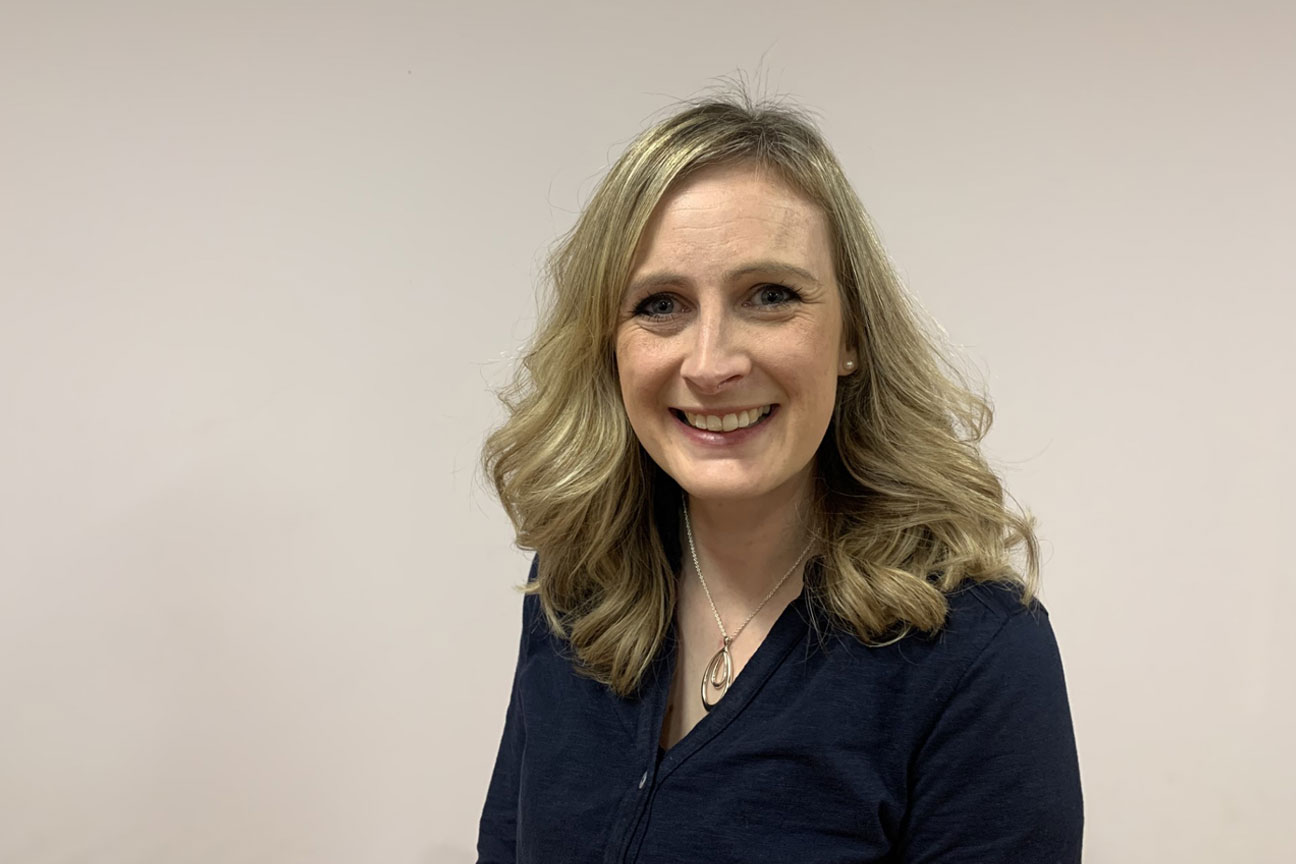
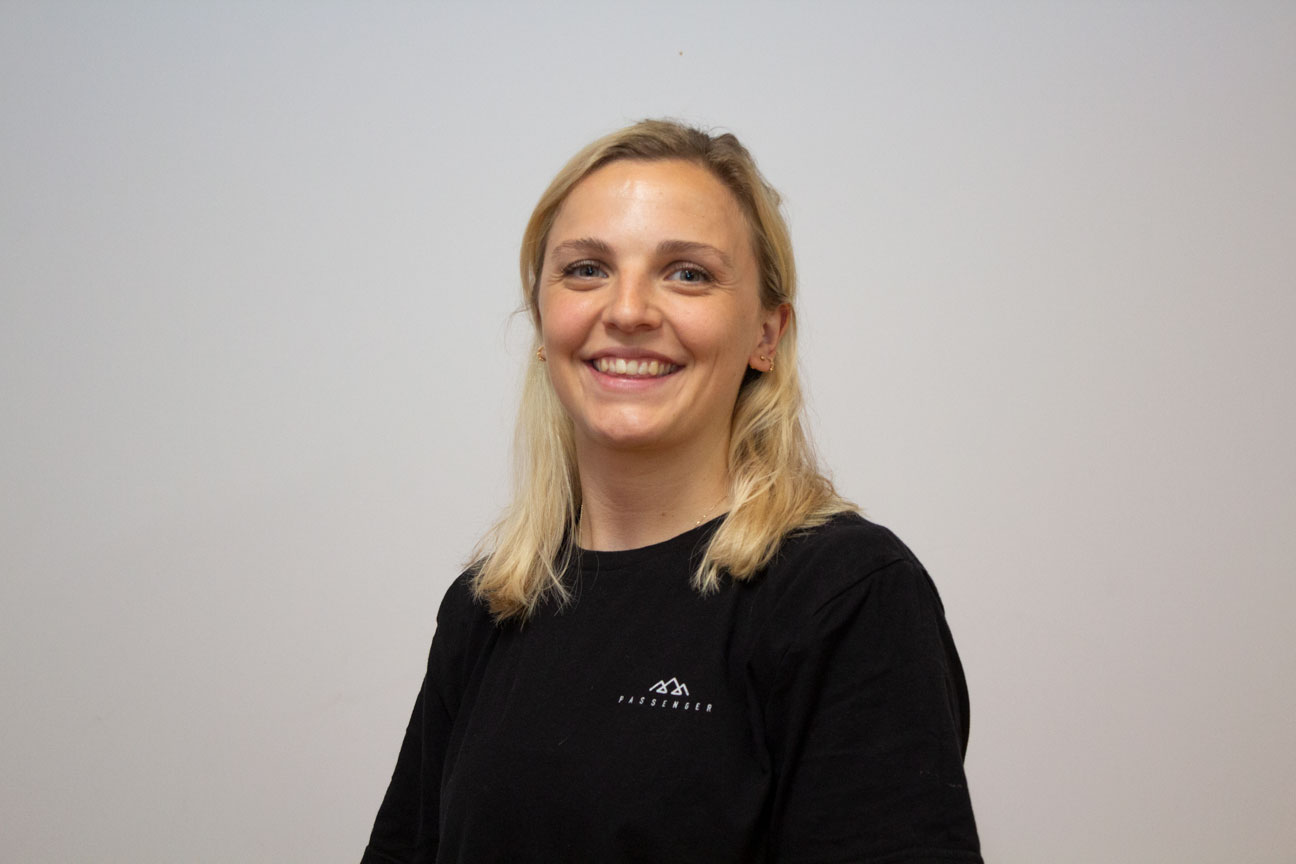
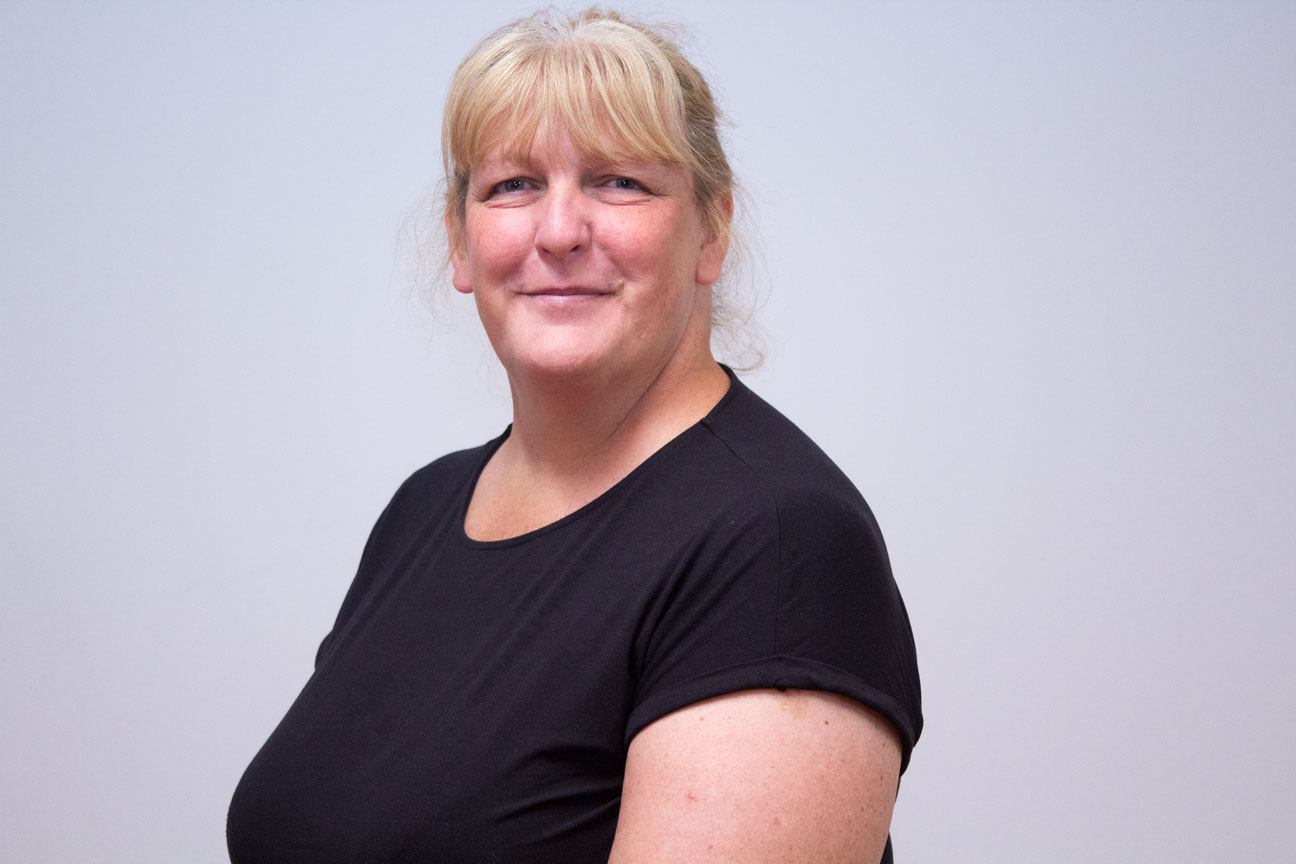
Mr Anderton

Teacher

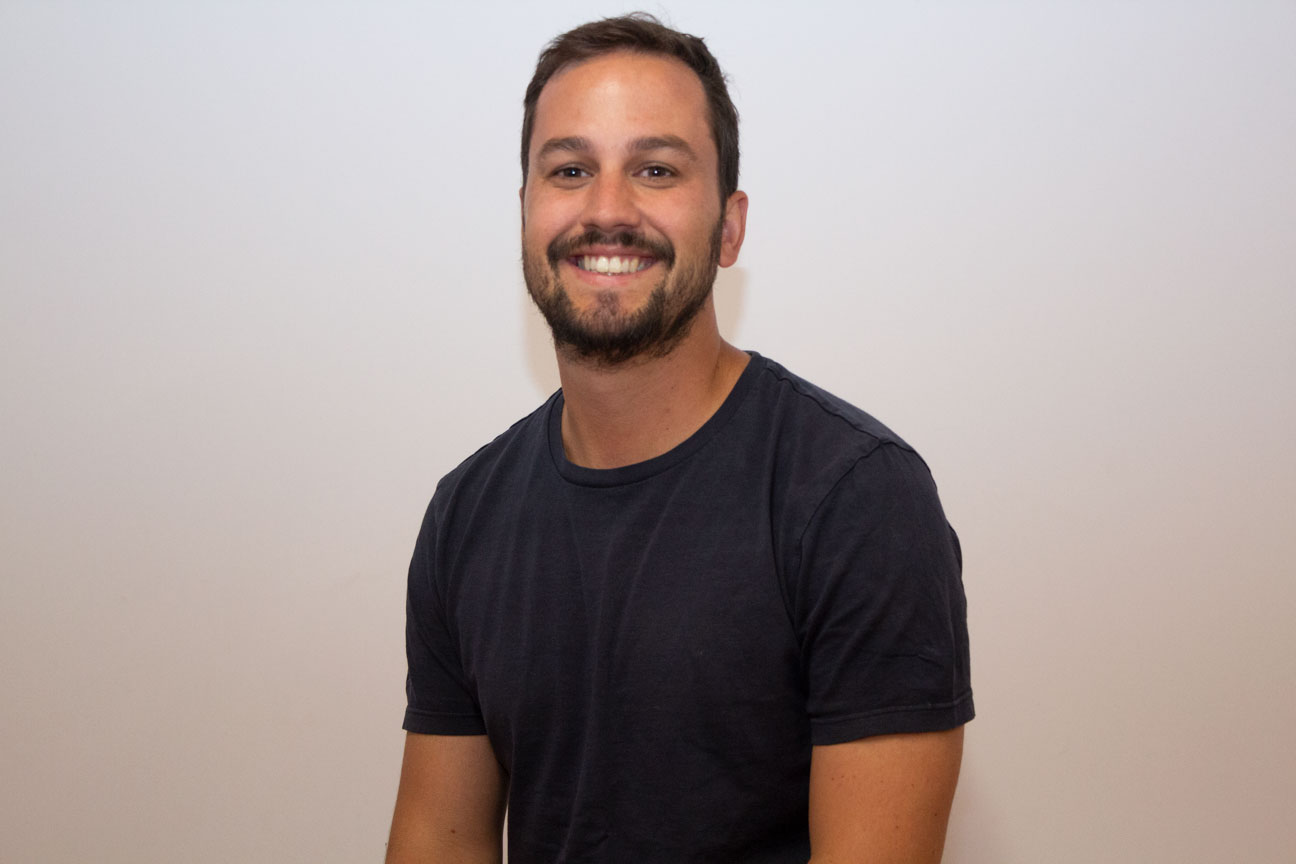
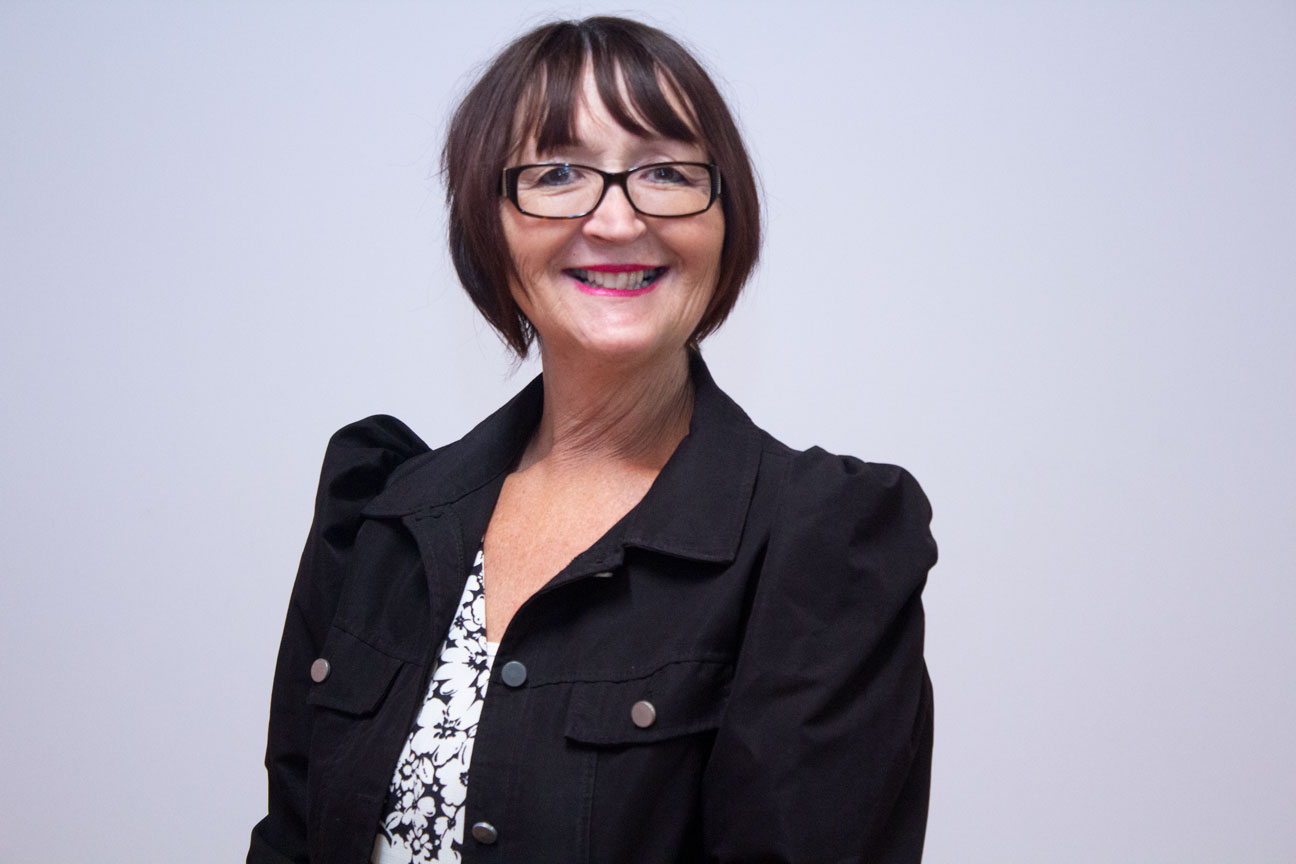
Mr Handley

Teacher

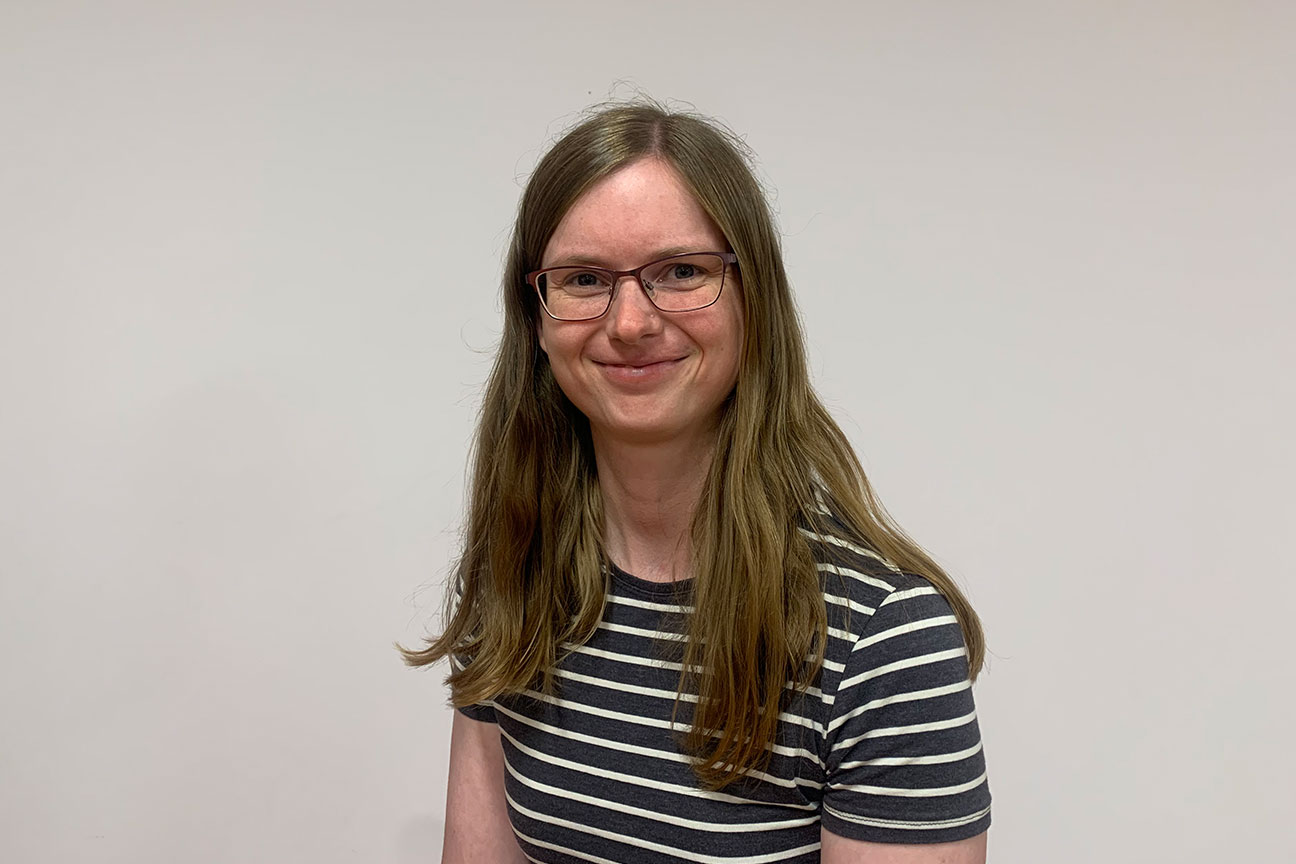
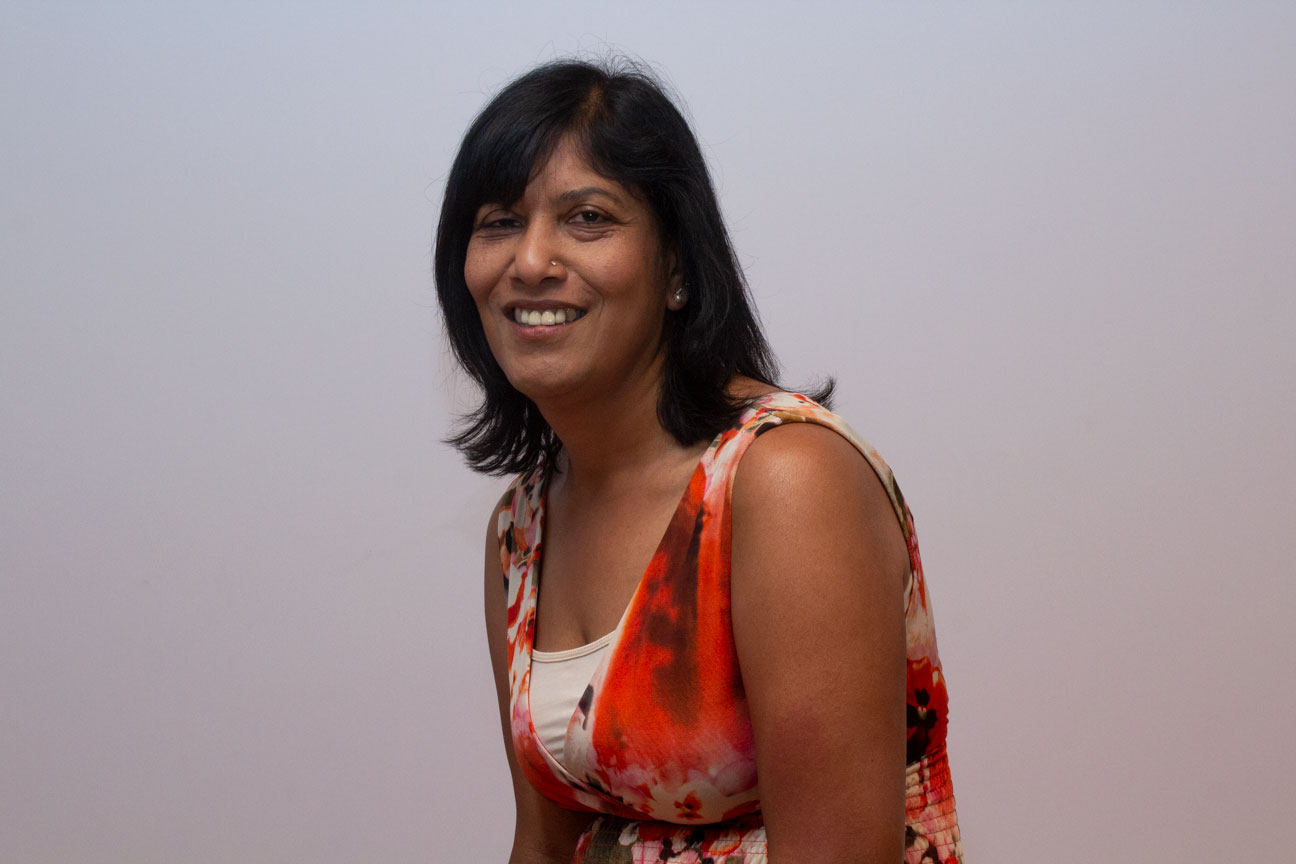
Mrs Warner

Teacher

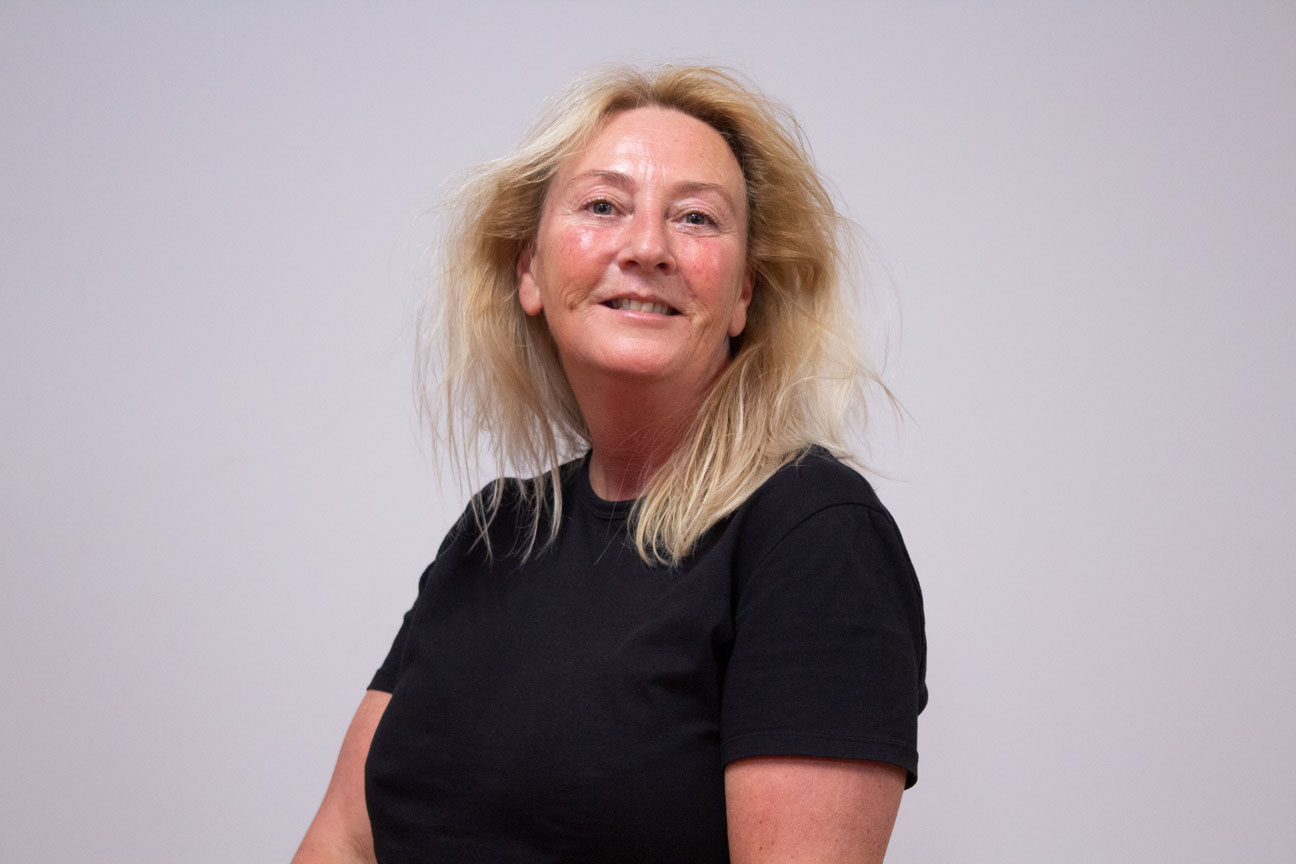
Mrs Roy

Teaching Assistant

Mrs Stephens

Interventions Teacher

Mrs Jain

SEN Teaching Assistant

Mrs Evans

Reading Ranger

Click here to view the

  Our PE days for Term 6 are Tuesday & Thursday.

A Better Start to Reading | edX

Our book change day is a Wednesday.

Our class book is:

Matilda 

by  Roald Dahl


Useful links

Term 6 Summary

English

We will be reading a range of texts, using the VIPERS system,  to ensure that the children develop a range of reading skills which will help them to robustly interrogate a text.


We will be focusing this term on developing children’s grammar and punctuation skills, such as using fronted adverbials effectively and using a range of conjunctions, adverbs and prepositions to express time and cause etc. 

In Week 1, Year 4 will watch the Iron Giant and then compare and contrast this film, with the book, The Iron Man, which we read in Term 5.  The children will also write a film review and write free verse poems based upon either the Iron Man or The Iron Giant. 


We will also be exploring non-chronological reports this term. 


Maths 


We will be revising and consolidating a range of year 4 learning concepts this term, including :- 


  1. Number and place value
  2. Addition and subtraction 
  3. Multiplication and division – including integer scaling problems and correspondence problems, such as n objects are related to m objects. 
  4. Fractions and decimals
  5. Measurement
  6. Geometry – properties of shape
  7. Geometry – position and direction
  8. Statistics – i,e, interpreting information in bar charts, pictograms and tables.
 

In preparation for the MTC in Week 2, we will be working to reinforce students’ ability to efficiently  recall their times tables facts. 


Also, towards the end of term, we will be able to do a range of more creative and investigative maths problems and challenges. 


Science 


We will be exploring the concept of MAKING CONNECTIONS : How does the flow of liquids compare?

The sequence of lessons will be as follows: –

  1. Investigating liquids – planning
  2. Investigating liquids – gathering data
  3. Investigating liquids – analysing, concluding and evaluating
  4. Investigating liquids – extending
  5. Investigating liquids – presenting 
 

We will also enjoy a one off workshop facilitated by leaders from Airbus, in term 6, making mini moon-landers. 


History


We will be learning about the achievements of the ancient Maya and how it impacted upon their society and beyond. The following will be sub-topics of exploration :-


  • 1. Sequence the key periods of the Ancient Maya civilisation.
  • 2. Identify periods that were happening in Britain at the same time.
  • 3. Explain how the Ancient Maya settled in the rainforest and the challenges they faced.
  • 4. Describe Ancient Maya beliefs.
  • 5. Name the features of the Ancient Maya cities.
  • 6. Make deductions about the Ancient Maya cities.
  • 7. Evaluate the reasons for the decline of the Maya civilisation.
  • 8. Understand the importance of archaeologists, archivists and historians in constructing our understanding of the past.
 
French


En Classe – We will be learning words and phrases all to do with the school classroom. 


By the end of this unit pupils will have the knowledge and skills to present both orally and in written form about what they have and do not have in their pencil cases and/or school bag in French. This is a unit that focuses on recycling previously learnt grammar, using it with new vocabulary and a better understanding of the negative form, demonstrating a growing ability to create independent responses.


PSHE


The unit this term will focus upon helping to prepare our Year 4 pupils for the transition into Yr 5 and the changes, challenges and opportunities this brings. 


Religion & Worldviews


We will be explaining the ancient and translated languages of scripture, investigating their importance to many believers today. The sequence of lessons taught will be as follows :-


  • 1. Explain why writing stories down helps to keep their meaning the same.
  • 2. Explain that some Jewish people read the Torah in Hebrew because it is the original language of the scripture.
  • 3. Explain that reading Hebrew can help some Jewish people feel closer to God and connected to their traditions.
  • 4. Describe how Muslims show respect for the Qur’an and explain how using scripture can help them feel close to God or connected to others.
  • 5. Talk about how Christians say the same prayer in different ways.
  • 6. Explain that translations help more people understand scripture.
  • 7. Explain why language is important in religious communities, including an example (e.g. Sikh use of Gurmukhi).
  • 8. Identify that the same message can be expressed using different words.
  • 9. Describe how language can help people feel part of a community.
 
Computing

Developing a range of computer coding skills. Internet safety lesson.

Art

Free art activities

DT

Know where and how seasonal British fruits are grown and processed.

Understand why vegetables are an important part of a healthy and varied diet.

Make our own sandwiches.

Prepare a ‘cream tea and sandwiches’ enterprise event  for parents, carers and grandparents.

P.E. 


Indoor – Dance moves 

Outdoor – Net games – including tennis, netball, basketball, Pok-a-Tok ( an ancient Maya game ).

Term 5 Summary

In English, we will be using our geography learning to write a non-chronological report on rivers. We will start by immersing ourselves and spotting features of non-chronological reports. Following this, the children will then begin to learn about rivers and how they are used. Finally, using all of their impressive learning, they will write a report. 

In maths, we will start the term revisiting multiplication and division. Following this, our focus will be on money. Children always love learning about money and seeing its real-world uses. Finally, we will be learning about time. 

Our Geography topic this term is “What are rivers and how are they used?”  We will start by recapping our learning from Science on the water cycle before learning how rivers are formed and locating some of the world’s longest rivers on maps.  We will explore how humans use rivers and then use field-skills to explore a water-course in the local environment.

Our key questions will be:

  • What is the water cycle?
  • How is a river formed?
  • Where can we find rivers?
  • How are rivers used?
  • What can we find out about our local river?
  • What features does our local river have?


In Science, our topic is “Classification and changing habitats.”  We will investigate vertebrates and invertebrates  before exploring how plants can be classified.  The children will be encouraged to make careful observations and use classification keys to identify species.  We will then go onto exploring different habitats and their inhabitants and consider the impact of seasonal change on these.   We will finish this unit by exploring the natural and human factors that affect different habitats.

In Art, we will be looking at the paintings of Claude Monet.  In doing so, we will explore impressionism before creating our own artwork inspired by Monet’s work.

In PSHE, we will be focusing on the topic Economic Wellbeing. Here, the children will be learning to:

  • Identify and justify items they consider good value for money.
  • Identify multiple factors that influence whether something is good value for money.
  • Understand the importance of tracking spending.
  • Identify different ways to keep money safe.
  • Identify a range of influences on job choices.
  • Suggest ways to respond to certain influences over career choices.
  • Identify different reasons why people might change careers
  • Suggest proactive steps that can be taken to challenge and overcome these stereotypes.

In PE, the children will be working towards sports day by enjoying some athletics sessions. In the hall, we will be focusing on gymnastics. 


Term 4 Summary

English

Children will be developing their poetry writing skills, focusing initially on the poem, MY HEART is a poem.

We will also be exploring rhyme and reason and also feelings and emotions within the poetry genre and finally we will be creating and performing our own poems. 

Also in term 4, we will be creating a suspense storyboard based around the short animation film, Spy Fox and exploring character and motives. The children will also write a suspense narrative. 

Maths

This term’s math’s sub-topics include:-

Statistics ; interpreting and presenting data using appropriate graphical methods. 

Measurement using money ; including solving measure and money problems. 

Time ‘ Converting between hours and minutes etc.

Multiplication and division ; including solving multiplication and division problems. 

Science

The Science focus will be on SOUND and VIBRATIONS, exploring volume, pitch and how sound travels. Children will investigate how to change pitch and explain the relationship between vibration strength and volume. They will also be able to describe how sounds are heard through different mediums. 

We also have UWEengineering coming in to run workshops on the first Tuesday back, exploring future jobs in the world of engineering, Science and Computing. 

History 

Our exciting history unit this term is….What changed in Britain after the Anglo-Saxon invasion ?

The children will identify the qualities needed to be a monarch in 1066. They will name and describe the key features of Anglos-Saxon settlements and they will begin to make inferences about artefacts and be able to tell us what Sutton Hoo reveals about Anglo-Saxon life. 

They will also explore and debate whether or not King Alfred the Great really was ‘great.’

Computing

Computer Explorers ( during enrichment ) will deliver a programming module. 

They will develop the children’s coding skills to create their own games with a focus upon debugging. 

We will also be looking at the Be Internet Legends pillar; Be Kind. This is where the children will learn how to be kind online and what to do if someone is not.

DT

The children will be designing and creating their own burglar alarms, incorporating an electrical circuit into their model. 

Religion and Worldviews

The focus will be upon exploring how important our beliefs are. 

French 

The unit focus will be Ma Famille. The children will generally be expanding their French vocabulary. 

They will be learning a variety of French words for family members and they will ask and answer questions such as, ‘As-tu des freres et soeurs?’ They will also be able to introduce family members in French. 

PSHE

The unit focus is CITIZENSHIP

The unit will explore the following :- 

  1. What are human rights ?
  2. Caring for the environment.
  3. Community
  4. Contributing to a community. 
  5. Diverse communities
  6. Local councillors

PE

Indoor PE will focus on ball skills, including throwing and catching, netball and basketball.

Outdoor PE will focus on striking and fielding and invasion games. 

In addition, the children will be really looking forward to their forest school visits on the following dates :- 

Class 6 – Monday/Tuesday 9th and 10th of March

Class 7 – Thursday and Friday 12th and 13th of March

Finally, we also have MOJO active on the following days :- 

Class 6  Monday 16th March

Class 7  Tuesday 17th March

Term 3 Summary

In Maths, as usual, we will be covering a range of different topics. This term, we will be working on area, fractions, decimals and statistics. As well as this, all of the children are still working very hard on their arithmetic and times tables. 

In English, we will be reading a very exciting book called ‘Mouse, Bird, Snake, Wolf’ which will definitely capture the imaginations of the children. While reading the book, the children will be creating and describing their own imaginary animals. Additionally, they will be writing their own different endings to the book!

In Science this term we will be exploring states of matter and changing states by looking at solids, liquids and gases and their properties. We will be describing melting, freezing, condensing and evaporating, investigating the different stages of the water cycle and describing how temperature affects the rate of evaporation and, therefore, the water cycle.

We will be looking at the following states of matter:

  • Solids
  • Liquids and gases
  • Melting and freezing
  • Condensing and evaporating 
  • The water cycle 
  • Climate change and the water cycle 

Our Geography topic this term is “Why are rainforests important to us?”.  We will be developing the children’s understanding of biomes, ecosystems and tropics.  The children will be mapping features of the Amazon rainforest and learning about its layers; investigating how communities in Manaus use the Amazon’s resources; discussing the global human impact on the Amazon and carrying out fieldwork to compare and contrast two types of forest.

In Art, we will continue our study of different artists and take an in depth look at Andy Warhol. We will look at the different techniques he used in his Pop Art Series. 

In Design and Technology we will be using our science knowledge from last term in order to make some electrical alarms!

In PSHE, our unit or learning is on ‘Safety and the Changing Body’. During this topic, we work on these skills: 

-Exploring ways to respond to cyberbullying or unkind behaviour online. 

-Developing skills as a responsible digital citizen.

– Identifying unsafe things people may do near roads. 

Beginning to recognise unsafe digital content. 

In PE, the children will be working inside with Signature Sports whilst we will be honing our skipping skills outside on the playground. As well as this, the children will have three sessions of climbing outside of school!

Our computing topic this term will focus on ‘Being Secure’. We will be discussing ways to keep our personal information safe online. 

Term 2 Summary

Our History topic for this term is “How have children’s lives changed?”   We will learn how children’s spare time, health and work have changed. The children will  explore the most crucial change – work – in more detail, learning about a day in the life of a working child and the significance of Lord Shaftesbury and his impact. Over the course of this unit of study, the children will be asked to make observations and deductions from historical sources and to make comparisons between different periods of time.

In Science, we will be exploring electricity and circuits. Children will learn how to work with electricity safely and build circuits. We will investigate electrical conductors and insulators and explore the relationship between the number of cells and bulb brightness. We will investigate real scenarios and historical discoveries to inform children about scientific progression and home safety.

In Design and Technology we will be recapping on stitches we learned in year 3, learning new ones and using our skills to sew Christmas stockings! 

Our French topic this term is “Je me presente”. By the end of this unit pupils will have the knowledge and skills to present themselves both orally and in written form in French. This is one of the first units where previously learnt language will be integrated with newly acquired language, encouraging all pupils to use their growing bank of vocabulary. 

Our PSHE unit this term is Health and well-being. 

In this unit, we will be exploring ways we can make ourselves feel happier and develop the ability to appreciate the emotions of others in different situations. In addition, the children will learn to take responsibility for their emotions and how to develop a growth mindset. 

We will also explore how personal skills can be used to undertake certain jobs. The unit also promotes developing independence in looking after our teeth. 

In Art, we will be making observational drawings. 

Term 1 Summary

In Geography, we will be answering the question ‘Where does our food come from?’ We will be locating North and South America on a map, investigate climate zones, learn about biomes and use the term Northern and Southern Hemisphere.

Our key questions will be:

  •  How can our food choices impact the environment?
  • What does it mean to trade responsibly?
  • How do we get our chocolate?
  • Where does our food come?
  • Are our school dinners locally sourced?
  • Is it better to buy lock or imported food?
 

In Science, our focus will be on “Animals: Digestion and Food.”  Children will learn the functions of key organs in the digestive system; the types of human teeth and we will investigate factors that impact our dental health.  We will also compare human teeth to those of other animals and make deductions as to the animal’s diet.

In English we will be reading “Jemmy Button” by Jennifer Uman, Alix Barzalay and Valerio Vidali.  We will discuss issues raised in the story and the children will be encouraged to express their opinion both orally and in writing.  We will also use the story to inspire the children’s creative, descriptive writing.  Later this term, we will be learning how to write clear explanation texts through our science focus on digestion.  

This term’s Maths will focus on the place value of numbers with up to 4-digits.  In doing so, children will be asked to order and compare numbers; count on and back in multiples and solve problems involving place value.  We will then move onto learning formal columnar methods for addition and subtraction.  Throughout the term, we will learn and practise the times tables up to 12x.

In Religion & Worldviews  our question is ‘Are all religions equal?’ We will be looking at similarities and differences between the ways people from different worldviews understand God. Expressing ideas creatively about how and why World Religion Day is important and making links between our work and learning from previous lessons.

In RSE and PSHE we will be discussing family and relationships by exploring the following areas:

  • Respect and manners
  • Healthy families
  • How my behaviour affects others
  • Bullying
  • Stereotypes
  • Disability 
  • Families in the wider world
  • Change and loss